

Projects that began with a real need
The first section features real websites and platforms built by IranCoders. Each was designed around the audience, identity, and needs of its business.
Conceptual case studies follow, showing how we analyze problems, set priorities, and turn an initial description into a clear delivery approach.
Completed projects
A look at products available to real users today.
The images below show the homepage of each live project. Open a website in a new window to explore it in full.
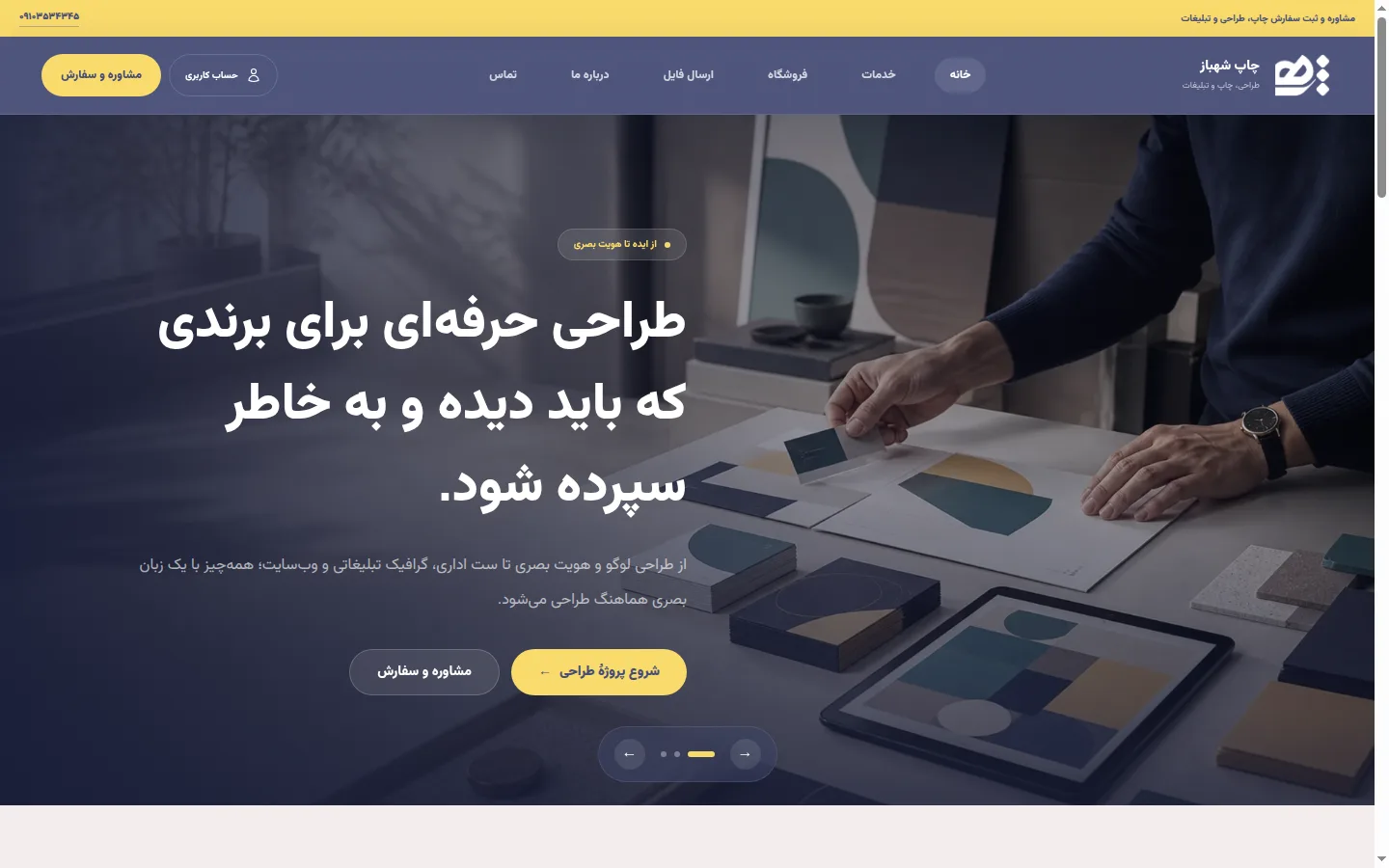
Shahbaz Print
Shahbaz presents its graphic design, printing, and advertising services in one website. Visitors can discover the business and start an order without searching through separate pages and channels to understand the services.
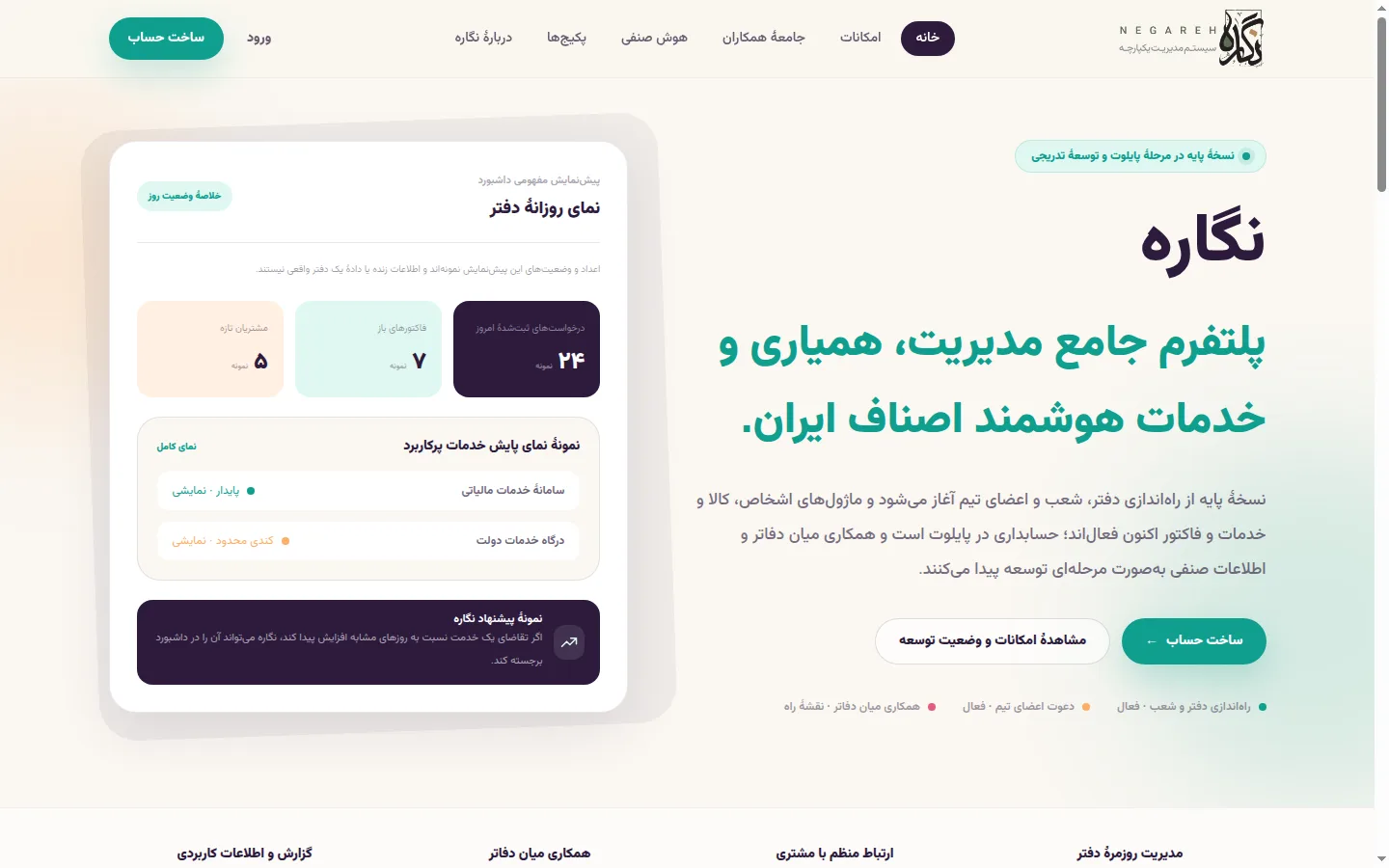
Negareh
Negareh is designed for internet cafés and technical service offices, providing a place to organize daily work, present products and services, and issue invoices. Alongside business showcase websites, it demonstrates a different approach to designing an operational platform.
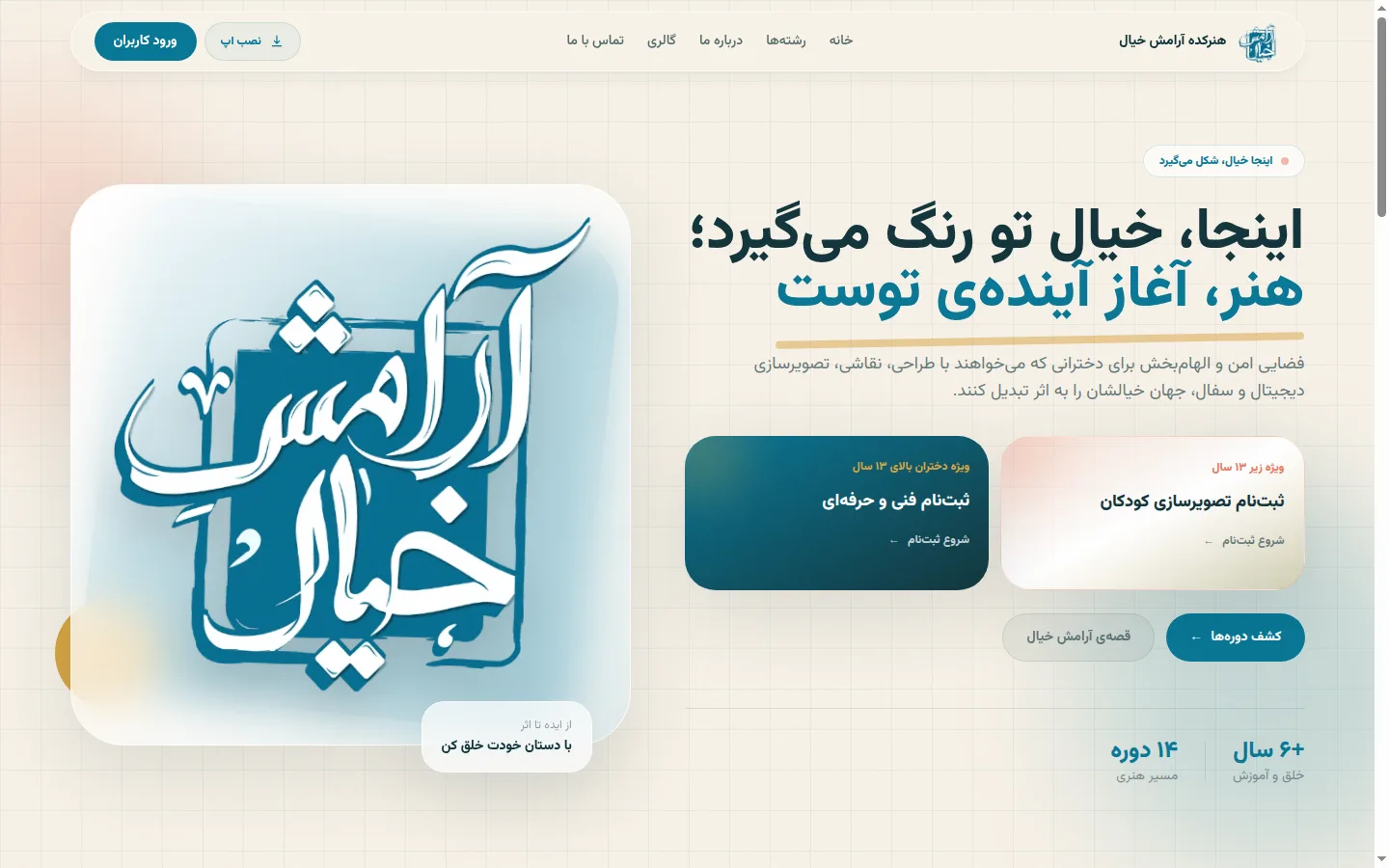
Aramesh Khial Art Academy
Aramesh Khial introduces families to the academy and its art education options. Courses and their intended students are central to the content, helping parents understand suitable learning opportunities before choosing a class for their child.
Conceptual case studies
A look at our analysis and decision-making before development begins.
These are not real customer projects. They are educational scenarios showing how a problem can be explored, prioritized, and turned into a practical solution.
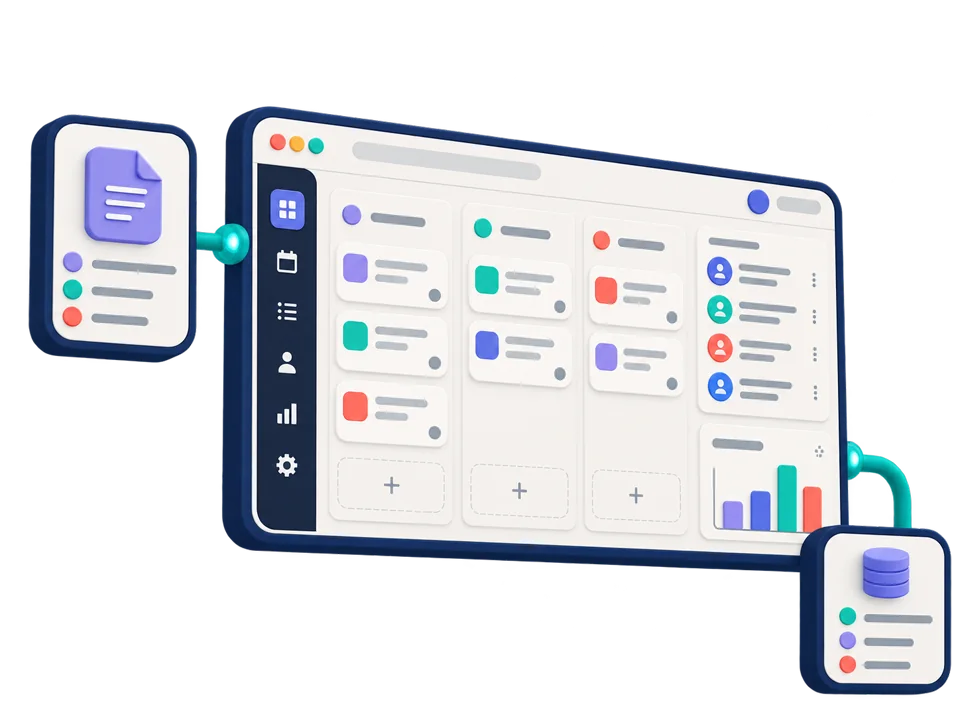
Unified operations dashboard
An educational scenario: how can scattered departmental information be brought together so managers don't have to chase several files for a report?
We start with shared definitions of metrics and the source of each figure. Then we design a role-based dashboard that lets people see the current situation and trace information to its origin.
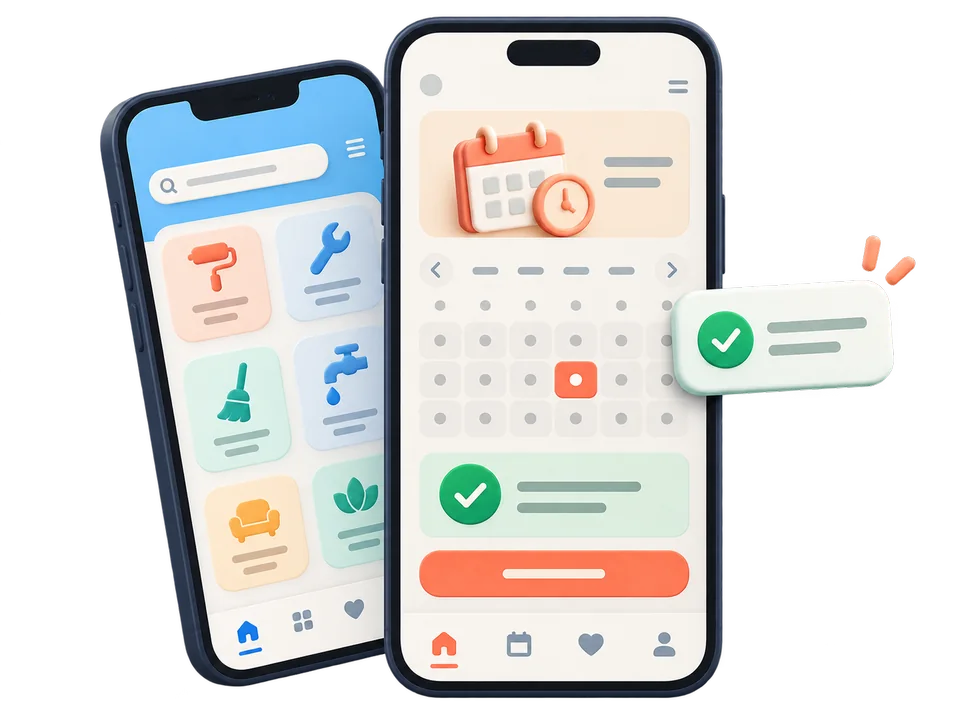
Easier access to services through a mobile app
An educational scenario: customers submit requests and documents in an app and check progress without repeated calls.
We break the service journey into short steps, from submitting a request and documents to specialist review. Users understand what's happened, while support has the request history in one place.
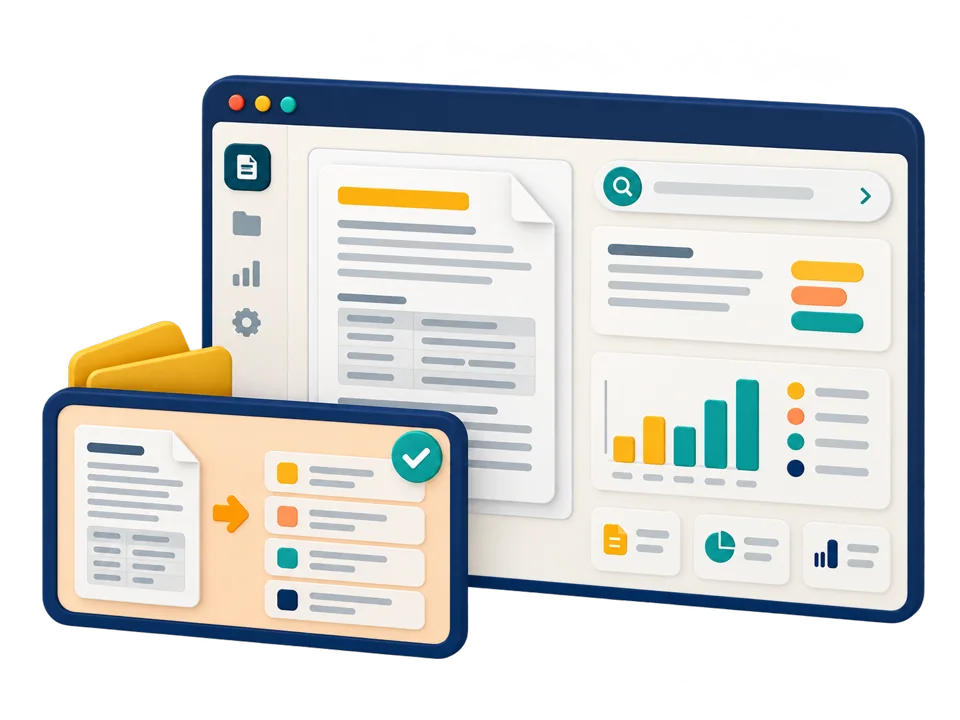
Less time spent processing documents and entering data
An educational scenario: AI helps extract document information, while uncertain cases go to a specialist for review.
We define required fields, accuracy criteria, and human review points at the outset. The aim is less manual data entry, not removing human review or trusting model output unquestioningly.
Online sales with room to grow
An educational scenario: as orders grow, how can shopping remain simple for customers and order management stay manageable for the team?
We review product discovery, the cart, and order tracking alongside the sales team's daily work. Real obstacles to buying and management come first, rather than adding unused features.
Before design and development
Before building a product, its problem and success criteria need to be clear.
Good design matters, but it doesn't make a successful product on its own. Before designing the interface, we need to know who the product is for, what problem it solves, which first-version features are essential, and how the outcome will be evaluated. These four principles guide our decisions in both case studies and real projects.
We ask you and your users how work happens today and where you run into problems.
Together, we decide what needs to improve and how to measure the change.
Before the full build, we test the important parts of the idea with a small prototype.
We plan for maintenance and future features from the beginning.
If you're facing a similar challenge, we'll explore your business's actual circumstances together.
Case studies are only a starting point for discussion. Each business needs a solution designed around its own users, processes, constraints, and priorities. A brief description of your current situation and intended outcome is enough to begin the assessment.